
The difference

Why Cleaning Matters

Keeping a floor looking right and keeping it safe are two different jobs. Here is where that distinction comes from, and why it matters in Malawi.

Where we come from

Malawians have cleaned properly for generations

Long before anyone sold a bottle of disinfectant here, households in this region had a working system for keeping a home clean.

The smeared floor

Floors of anthill clay were regularly smeared with a thin paste of cow dung and water — a task carried out by the women of the household, over and over, for generations across this region.

It was never crude. The paste bound the soil particles together so the floor stopped shedding dust into the air people were breathing. It sealed the surface against moisture. It discouraged insects. Dried dung burned on the fire kept mosquitoes out of the room.

It was good science

Modern microbiology has a name for what that achieved: managing an environment by balancing organisms and controlling dust and moisture, rather than trying to sterilise everything.

So the instinct was already right. People understood that a clean floor is about health, not appearance — and that it has to be done to a method, repeatedly, or it does not count.

What changed is not the instinct. What changed is the building.

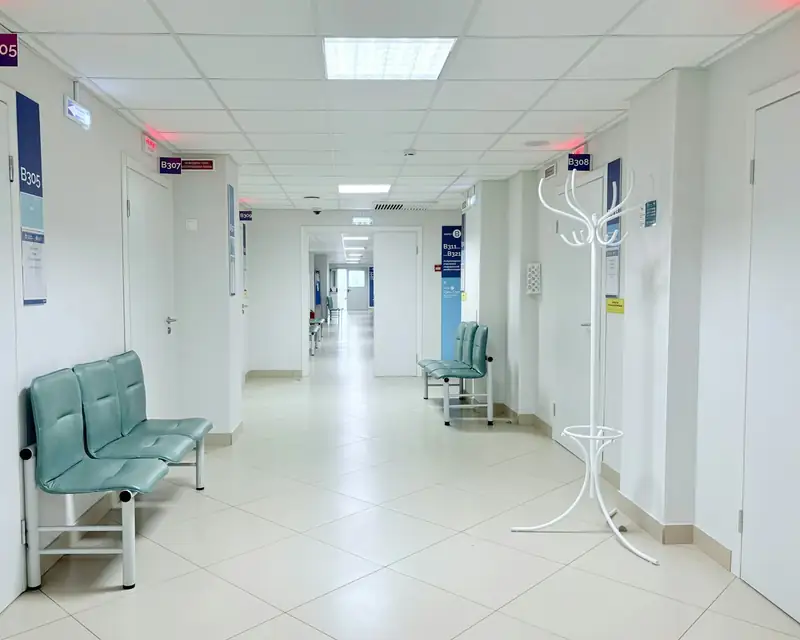
A clinic with vinyl floors, a bank with glass and carpet, a school with two hundred children and eight toilets — none of these can be managed by instinct and effort alone. They need chemicals matched to surfaces, a sequence that does not re-dirty what you have done, and proof that it happened. That is the gap we exist to fill.

The problem in Malawi

This is not an abstract argument

Hygiene here is a public health question, and the numbers are a matter of record.

Since 1998

Cholera has returned to Malawi season after season

It is treated as one of the country's recurring public health problems, not a one-off event.

1,712

Deaths in the 2022–23 outbreak

From roughly 56,090 recorded cases — the worst outbreak the country had seen in a decade.

26%

Have access to basic sanitation services

And around 30% still lack basic drinking water services, which is the ground everything else stands on.

Figures from national cholera outbreak reporting and WHO country data for Malawi. We quote them as context for why standards matter — not as work we claim credit for.

Ask us what your building actually needs

We will come and look, tell you honestly what it needs, and put the price in writing.

Mon–Sat, 7:30am – 5:00pm · Lilongwe, Malawi